

Discover the many wonders of South America
Experience rich history and awe-inspiring landscapes on a South American journey. Read on to learn more about the diverse countries and stunning natural treasures that await you in Brazil, Ecuador, Chile, Uruguay and beyond. Explore the cuisine of Peru and Argentina, delve into the cultural traditions of the Indigenous Mapuche people and enhance your knowledge of the remarkable flora and fauna found in the Amazon.
South America
Blessed with an abundance of natural beauty, cultural diversity and historical significance, South America offers visitors a variety of unique experiences. Bordered by the Caribbean Sea to the north, the Atlantic Ocean to the east and the Pacific Ocean to the west, the continent is home to twelve countries: Brazil, Argentina, Chile, Peru, Uruguay, Paraguay, Colombia, Ecuador, Suriname, Bolivia, Guyana and Venezuela, as well as the overseas territory of French Guiana. Each nation offers its own diverse landscapes, from arid deserts to lush jungles. The climate is characterized by dry, warm austral summers (December to February) and wet, mild austral winters (June to August). The rich blend of cultures in South America is reflected in the continent’s vibrant music, dance festivals and distinctive cuisines.
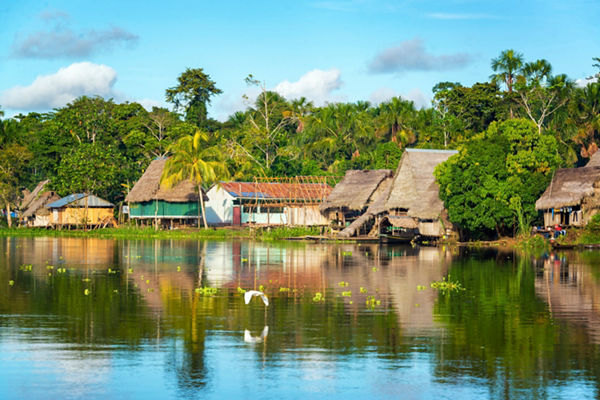
The Amazon Rainforest, often called the “lungs of the Earth,” spans several countries—including Brazil, Peru and Columbia—and is the largest rainforest on the planet. It is home to an incredible array of wildlife, many species of which are found nowhere else in the world.
South America is well known for its iconic landmarks and historical sites, such as:
- Iguazù Falls—Located on the border of Argentina and Brazil, these waterfalls are among the world’s largest and most impressive.
- Machu Picchu—This ancient Incan city set high in the Andes is renowned for its archaeological importance and is a UNESCO World Heritage Site.
- The Atacama Desert—One of the driest places on Earth, this desert is well-known for its otherworldly landscapes.
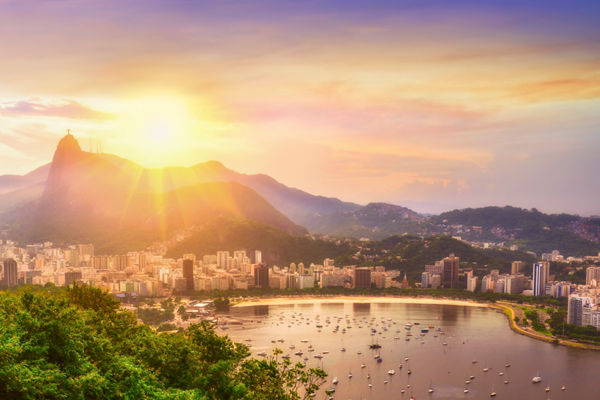
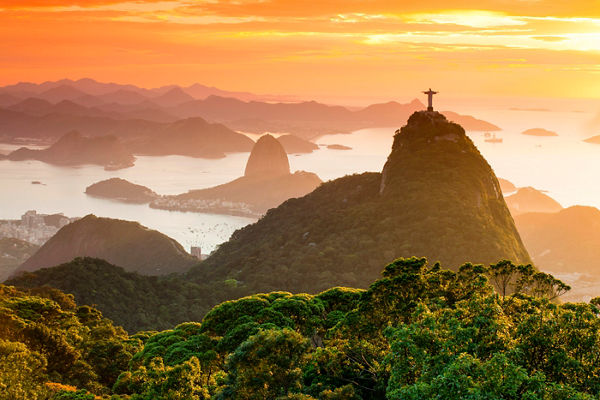
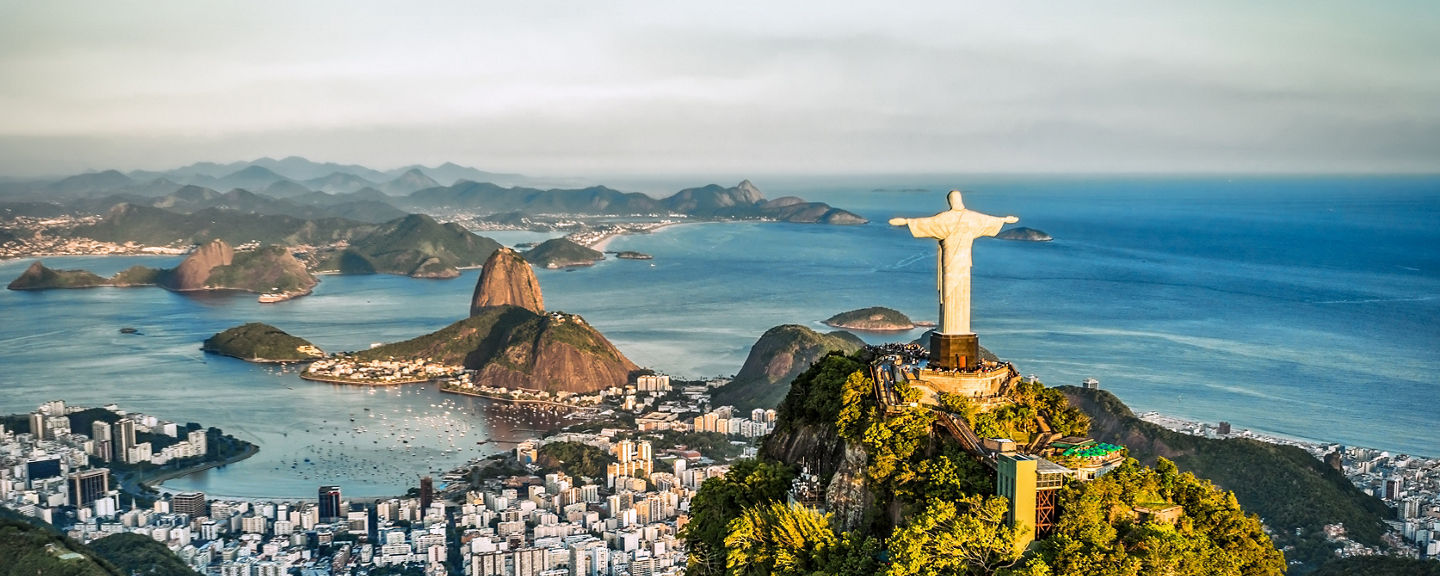
- Mount Corcovado—Located in Rio de Janeiro, this granite peak is home to the renowned Christ the Redeemer statue, one of the New Seven Wonders of the World.
- The Galápagos Islands—This archipelago off Ecuador’s coast is famous for its unique wildlife and the studies of Charles Darwin, which formed the basis for his theories on evolution.
- Tierra Del Fuego National Park—Argentina’s 150,000-acre natural reserve offers stunning landscapes with lush forests, glacial lakes and snow-capped mountains.

-
Classic dishes from Peru & Chile
As nations rich in history and culture, the flavors of Peru and Chile tell distinctive stories of tradition, local ingredients and successive waves of immigration. Peruvian cuisine represents a unique fusion of Indigenous ingredients and influences from Spanish, African, Chinese and Japanese cuisine, while Chilean cuisine reflects the country’s diverse landscapes, from the Pacific coast to the Andes Mountains. Read on to learn about two signature dishes from each nation:
- Ceviche
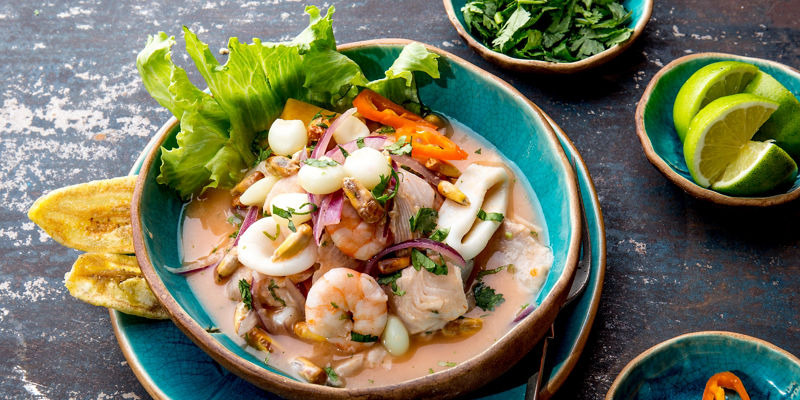
Considered the national dish of Peru, ceviche consists of raw fish marinated in freshly squeezed lime or lemon juice mixed with sliced onions, chili peppers and cilantro. The acidity of the citrus juice “cooks” the fish, giving it a delicate texture. Ceviche is typically served with sides like sweet potato, corn, and lettuce. - Lomo Saltado
Inspired by Chinese cuisine, this popular Peruvian stir-fry dish combines marinated strips of beef with onions, tomatoes and french fries and is often served with rice. The first significant wave of Chinese immigrants arrived in Peru in the mid-1800s. These immigrants, known as “coolies,” were brought to Peru to work on plantations, railroads and in the guano industry. Most of these early immigrants were male, and over time, many married local Peruvian women, leading to a unique blending of cultures. - Cazuela
Chile’s national dish is a hearty stew that typically includes pieces of beef or chicken, potatoes, corn, pumpkin and rice. These ingredients are simmered together in a flavorful broth and cooked until tender, creating a comforting and nourishing meal enjoyed throughout the country. - Machas a la Parmesana
This savory dish features pink clams, also known as razor clams, topped with parmesan cheese and baked until bubbly and golden. The dish celebrates the abundance of seafood from the waters off Chile’s coast and showcases this unique species of clam. Razor clams, or machas, are known for their elongated shells and naturally sweet flavor, making them a Chilean favorite.
- Ceviche
-
Discover South America’s old towns
Spain’s monarchs believed that an orderly and beautiful town would inspire in its residents a sense of polity, a civic pride that leads to a dignified and happy life. So, in 1573, Philip II issued a set of urban planning guidelines for the Americas. By contrast, the Portuguese towns of Brazil were not planned for a citizenry, as most of the inhabitants were slaves. When slavery was abolished, the African, European, Caribbean and Indigenous people blended into a new society with its own ideas about how best to live a prosperous life.
La traza: The Spanish grid
Spanish colonial cities are characterized by their compact, orderly grid layout, called la traza. It consists of a central plaza with important public buildings surrounded by a grid of streets that align with the cardinal points. Dimensions were set with an eye toward crowd capacity during fiestas. Residential locations were based on social status, with the highest classes living closest to the center. So in Peruvian Pisco, the mansion of statesman José de San Martín sits next to the Municipal Palace.
The towns of Brazil
The towns of Portuguese Brazil started mainly as sugarcane plantations, with a main house surrounded by slave quarters and port facilities for import/export functions. Eventually shops, churches and homes sprang up in port areas, but not according to any orderly plan. Some towns also bear the influence of immigrants from Holland, such as Old Recife, which also boasts the New World’s first synagogue.
Buenos Aires, Argentina
Rising from the pampas along the banks of the Rio de la Plata, Argentina's cosmopolitan capital and the city of the tango may be lined with elegant European-style architecture, but the soul of Buenos Aires is wholly Latin American. Influences from Spain, France and Italy all converge here, creating one of the Americas’ most engaging and energetic cities. Yet it is often easy to forget you are in a big city, as the many barrios, or neighborhoods, including its Old Town, exude an intimate, historic atmosphere. Perhaps the most colorful, La Boca is lined with brightly painted houses first built to shelter the city’s early settlers.
Stunning architecture
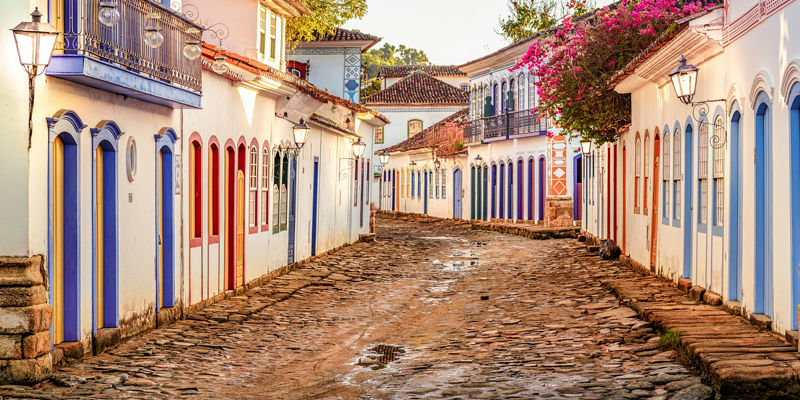
The climate often dictated a simple, solid construction—hence the white stucco houses. In Brazilian towns like Salvador de Bahia, they were painted in bold colors as a nod to the African influence. Many colonial structures were ornamented in the lavish Baroque style, and the local vernacular came through in Andean Baroque towns like Arequipa, Peru. Here, Indigenous craftsmen mixed in representations of tropical flora and fauna, Indigenous symbols like the sun and moon, and figures with Indigenous features and dress. Then there are the lovely Moorish touches brought over from Portugal and Spain: lacy iron grillwork and colorful tiles, interior courtyards with tinkling fountains, keyhole arches and geometric fretwork.
-
Indulge in the flavors of South American cuisine
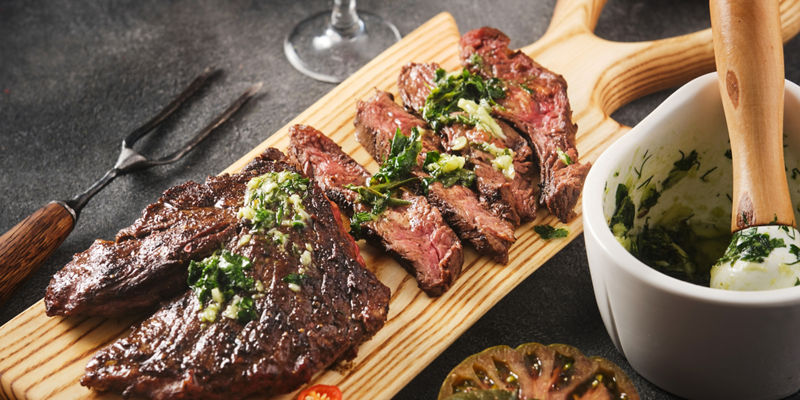
Peru may have the spiciest food in South America, thanks to the fiery ají amarillo yellow chili. Its cuisine has also been influenced by Peru’s large Japanese community. Colombia and Venezuela lean toward Spain, utilizing many ingredients brought from there such as citrus, olive oil and rice. Southern South America (Chile, Argentina, Paraguay and Uruguay) is cattle country, with arguably the best steak in the world. But the long coastline means fresh seafood is always on the menu, too. Brazilians might have something to say about the steak, as theirs is also great. But so are the marvelous things they do with tropical produce like cashew fruit, passion fruit and cassava.
Here are some dishes to try:
Chicha morada—this "purple beverage" is ubiquitous all over Peru. Purple corn kernels are boiled with pineapple, quince, cinnamon, sugar and cloves before being strained, chilled and served with lemon or chopped fruit. It is refreshing, nonalcoholic and high in antioxidants.
Arepas—these fried corn cakes are a staple in Venezuela and Colombia, where they are served with butter or cream cheese. Alternately, they may be stuffed with eggs or various meats or cheeses.
Moqueca de Peixe—this Brazilian bouillabaisse from the state of Bahia is flavored with garlic, cilantro and coconut milk.
Feijoada—Brazil's national dish is a stew of black beans, pork and beef that is seasoned and cooked in a clay pot. It is served with various sausages and rice.
Pachamanca—do not miss the chance to try this traditional Peruvian dish. Meats like lamb, beef, pork and guinea pig are marinated with sprigs of rosemary and wrapped in banana leaves. The packets are cooked over hot stones and smothered with grass and earth until the smoking deliciousness is done. Various vegetables may also get tossed on the fire.
Ceviche—this fresh, delicious stew is found all along the Pacific coast. Raw fish and shellfish are marinated in citrus juices and flavored with cilantro, onions, salt and pepper. The acid in the citrus "cooks" the fish to tender perfection. Sides like corn, sweet potato and plantains complement the flavors.
Dulce de leche—this caramelized dairy confection is called manjar de leche in Chile, but by any other name it would surely taste as sweet.
-
South American wines
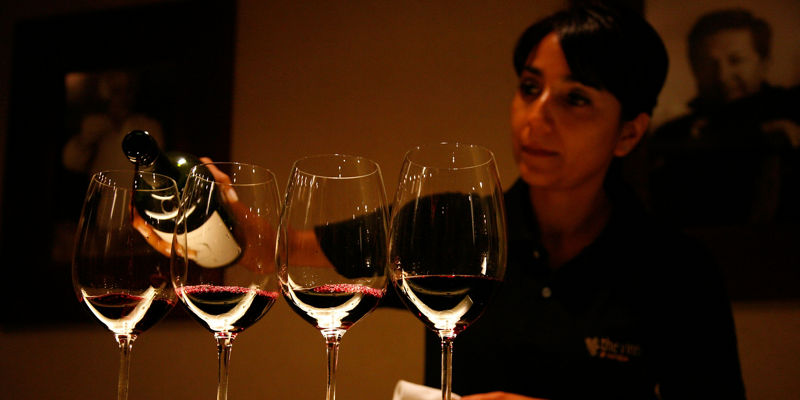
South American wines include many fine vintages from grapes that were wiped out in Europe, but thrive here. Along with these local heroes you will find all of your favorite classic quaffs.
Argentina
Argentina’s superstar grape, Malbec, came from France. But it fell out of favor when the late 19th-century phylloxera epidemic nearly wiped it out. It later found a fine home in Argentina, particularly in the Mendoza Valley. From the fruity, everyday varieties to the top-shelf Uco Valley Malbecs, you can look forward to perfectly balanced wines featuring notes of violet and plum. Another Argentine favorite is Bonarda, sometimes referred to as Malbec’s little brother. Cabernet sauvignon, Syrah and Italian varietals like Dolcetto and Barbera also do well here. Even Patagonia is in the mix, with its exceptional Pinot Noir.
White varieties include Chardonnay, Sauvignon Blanc and Pinot Gris, but the queen of Argentine whites is Torrontés. You may think you are about to sip a sweet wine when Torrontés’s floral, fruity perfume hits you, but it is actually dry and is therefore called “the liar.”
Chile
Chile has not only an enviable terroir but management and marketing muscle, thanks to collaborations with France and the US. The most widely planted grape is País (called Criolla in Argentina and Mission in the US). With País, Chilean winemakers have created a Beaujolais Nouveau–style wine that is fruity and light. Around Chile’s Maipo Valley, just south of Santiago, the country’s perfect Mediterranean climate nurtures cabernet sauvignon, Merlot and carménère. Along the Pacific coast, white grapes such as Sauvignon Blanc, Chardonnay, Sémillon, Riesling and Viognier benefit from the oceanic breezes.
Uruguay
Uruguay’s signature varietal is Tannat, an intensely tannic, deep-red (almost black) wine. It is tough to tame, so vintners make sure to give it long periods of barreling and bottle aging. It is often blended with lighter varieties as well as with Merlot. The best Tannat hails from the Canelones region.
Brazil
Since the 1990s, Brazil has seen an explosion of small family wineries, with 90% of them located in the country’s southernmost state, Rio Grande do Sul. With all of Brazil’s six major wine regions and a wine country largely inhabited by Italian immigrants, it is often called the “Tuscany of the Southern Hemisphere.” But Brazilians prefer their wine light, fresh and low in alcohol, so the big draw here is bubbly—especially sparkling wines from Serra Gaúcha, where Moët & Chandon have a Brazilian baby, Chandon Brazil.
-
The gauchos of South America
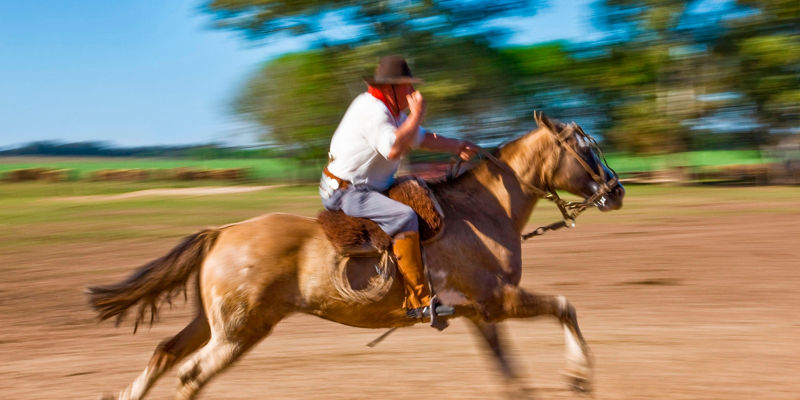
Many comparisons may be made between South America’s gauchos and the cowboys of the American West, though gauchos were riding their lonesome trails about 100 years before the first cowboys ever saddled up.
Home on the range
South American gauchos lived a nomadic lifestyle, covering a vast area from the southern reaches of Patagonia to the western Andes, and following the plains and grasslands as far north as the Brazilian state of Rio Grande do Sul. They started out chasing escaped livestock from the frontiers around Buenos Aires, selling their contraband quarry to British, French, Dutch and Portuguese traders. By the late 19th century, estancias (ranches) had fenced much of the land, and the free-spirited gauchos became horse trainers, farmhands and herders.
The gaucho mystique
Gauchos are depicted as strong, silent types who are honest and brave, but potentially violent. Their image as independent loners may stem from the lifestyle that took them far from their homes and families. Additionally, South America’s upper classes, the criollos (of Spanish ancestry), looked down on the gauchos, who were mostly uneducated mestizos (of mixed European and Indian ancestry), black or mixed race. With a fringe status in the social order, gauchos did not submit to conventions and developed an outlaw aura. During South America’s independence movements, gaucho traits were idealized.
Culture and dress
Gauchos enjoyed gambling, drinking, playing guitar and singing ballads. Their typical costume is still worn by today’s Argentine gauchos: a wide-brimmed campero hat, long, pleated bombacha pants, a chiripá belt, a woolen poncho and boots. Gauchos were not known for gunplay. Their weapons were the lasso and boleadoras or bolas—three iron or stone balls bound by leather cords. Gauchos always carried a sharp, long facón knife. Used for hunting and fighting, it was the only utensil they used for eating. What did they eat? Steak, of course.
Today, most remaining gauchos work as ranch hands, often performing in rodeos. Though their numbers have decreased, their iconic appeal is as strong as ever.
-
The fantastic arts and crafts of South America
South America’s creativity is as vast as the continent itself. Here are just a few examples:
Afro-Brazilian instruments
Take the music of Brazil home with you in the form of hand-carved wooden instruments. Examples of these include the berimbau (used to play capoeira music) and small drums like the zabumba, cuíca and reco-reco.
Ceará lace
Brazil’s finest lacemakers come from the coastal states of Ceará and Pará. The lace is woven using many different materials and can be found in high-fashion apparel as well as baby clothes, bridalwear and traditional umbrellas and table linens.
Valparaíso street art
Twenty or so years ago, you might have looked at the graffiti on the terraced streets of Chile’s seaside city of Valparaíso and wondered, “Is it art, or vandalism?” The verdict is in: art wins. The city has issued legal permits to artists to cover walls, sidewalks, houses and more with vivid murals. These detailed works often depict social, political and folkloric content.
Chilean lapis lazuli
This bright blue semiprecious stone is found only in Chile and Afghanistan. In Santiago and elsewhere, it is used to make beautiful, handcrafted jewelry and statuettes.
Argentine handicrafts
Buenos Aires is an excellent clearinghouse for handmade silver jewelry, pottery, mate gourds, fine leather goods and more. Or pick up a pingüino, a serving jug in the shape of a penguin and a whimsical symbol of Argentine culture.
Andean textiles
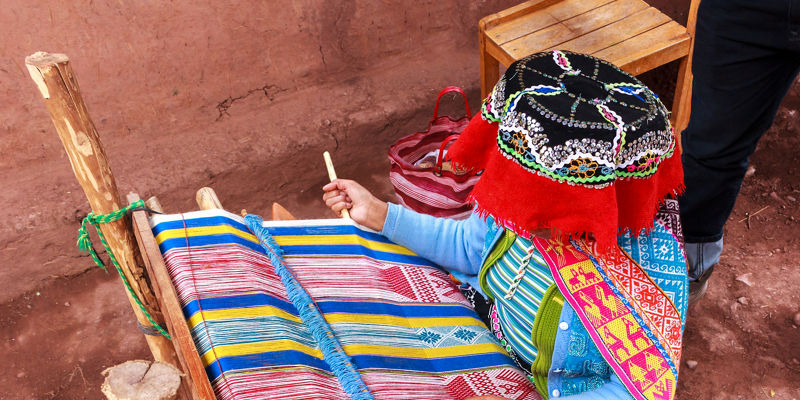
Throughout Peru and Ecuador, you will find practical and decorative woven wares—from tiny keychains to blankets, backpacks and more. These are adorned with colorful geometric patterns, many of which date to pre-Columbian times. Be sure to keep an eye out for the region’s famously soft, beautifully made alpaca shawls and sweaters.
Ecuadorian Panama hats
These brimmed, lightweight toquilla straw hats originated in Ecuador in 1835. That is when Manuel Alfaro exported them to Panama, from which they were shipped to happy heads in Asia, Europe and beyond. Panama hats are prized for the tightness and finesse of their weave. It is said that the best superfino hats can hold water and, when rolled up, pass through a wedding ring.
-
The Mapuche
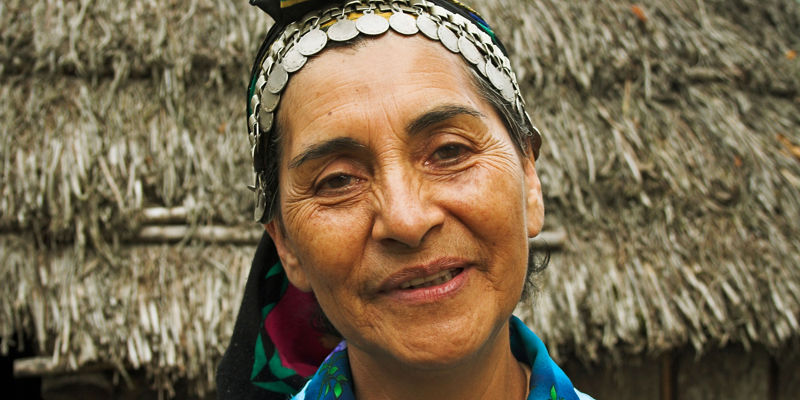
The Mapuche people are an important group of Indigenous inhabitants of South America, with their name translating to “people of the earth.” Most inhabit the Central Valley of Chile, south of the Biobío River, while a smaller group lives in the Neuquén province, in west-central Argentina.
Prior to Spanish colonization, the Mapuche lived in villages throughout present-day Chile, headed by a cacique, or chief. Over the years, they have been able to preserve the practice of the Nguillatun, which is a prayer ceremony held at harvest time. For several days, the Mapuche pray to receive good fortune for themselves, their animals and their harvest.
Another unique feature of Mapuche culture is that the women of each village are responsible for upholding their culture, in addition to learning the traditional methods of agriculture so they can be self-reliant and produce food for their community.
For these ancient people, soil has always played a major role in their cosmological worldview. Through this, they connect with their ancestors under the idea of ñukemapu, or Mother Earth, which their people constantly depend on and interact with. As skilled farmers, they cultivate a variety of crops, including corn, beans, squash, potatoes, chili peppers and other vegetables. They also fish and hunt, using guinea pigs and llamas as a source of meat. One of the most important roles in their society is the shaman, also known as the machi, who is typically a woman. She protects the community through ceremonies that ward off evil and illness.
The Mapuche are well known for their long and brave struggle against the Spanish, which lasted for over 350 years. To defend themselves and their resources, villages came together to form military, political, and economic alliances. After the 1800s, when Chile became independent from Spain, they were resettled on reservations. As a means of survival, many Mapuche decided to assimilate into Chilean society. However, others continue to persevere. Even in light of many challenges, they have preserved much of their history, traditions and their way of life.
Today, visitors to Santiago can learn more about Mapuche culture as they explore traditional silversmith workshops, browse stalls of colorful Indigenous handicrafts or sample authentic Mapuche dishes.
-
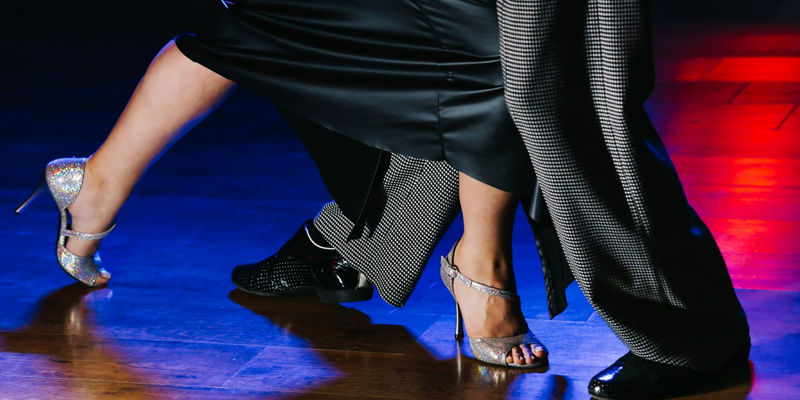
The origin story of the tango
The tango originated during the 19th century in poor neighborhoods along the Rio de la Plata, the river between Buenos Aires and Montevideo. Here, African slaves held musical gatherings called tangós, in which they shared their drum-based candombe dances with native criollos and European immigrants. Those groups added the local milonga dance, polkas, mazurkas and even the Cuban habanera, while Germany contributed the bandoneon accordion.
Dancing in the streets
The cliché is that tango originated in the brothels of Buenos Aires, but it was really born in the courtyards and streets of tenement blocks, where the poor gathered outdoors. Soon, tango was deemed risqué and officials tried to ban it. Tango moved into the brothels, where upper- and middle-class men first encountered it. The tango then spread to Paris and New York, and by 1913 it had become an international sensation.
It takes two to tango, but...
Tango is a couple’s dance, but there is a long tradition of men dancing it together. Due to a low population of women, brothels were booming in 19th-century Argentina. Madams would hire tango musicians to entertain waiting customers, and to pass time the men would dance. By the early 1900s it was considered indecent for ladies to dance with men in the streets, so men danced with each other. Being a good dancer, incidentally, was an important courtship advantage in a society where women were scarce and male competition was fierce.
A tango by any other name
There are many styles of tango (salon, milonguero, ballroom, etc.) that differ in tempo and movement. But the most important distinction is the embrace. In open embrace tangos, partners keep their bodies apart, allowing for a wide range of movement. In the close embrace style, partners dance chest-to-chest (Argentine tango) or hip-to-hip (American and international tango).
Across a crowded room
An important piece of tango etiquette is the cabeceo. This nonverbal gesture, in the form of a nod or subtle raising of the chin, is the genteel way to ask a partner to dance. The cabeceo is done from a distance, without walking right up to your partner. This spares any awkwardness in case of rejection. It is polite to escort your partner off the dance floor. And never, ever attempt to cut in—wait until the next dance starts!
-
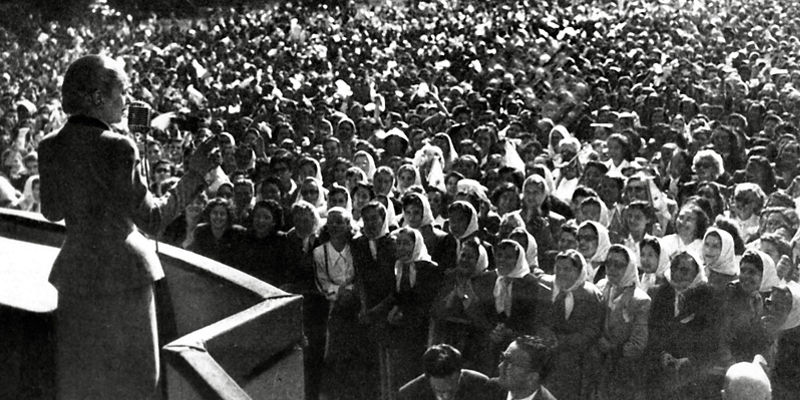
The real story of Evita Perón
Evita Perón embodied the hopes of the poor and disenfranchised: to be treated with equality and respect, and to experience a better life. Beyond her symbolic importance, her genuine kindness and dedication to those in need struck a deep emotional chord that still resonates today.
A remarkable life
When Eva was 15, she ran away to Buenos Aires. Working as a radio actress, at 20 she formed the Company of the Theater of the Air and performed on Great Women of History. Playing Elizabeth I and other strong females, she became one of Argentina's highest-paid actresses.
After helping raise money for the victims of Argentina’s 1944 earthquake, Eva met Juan Perón, Argentina's Secretary of Labor, at a gala. With the help of Eva’s stardom, Perón gained a huge following among the descamisados (“the shirtless ones”), or working poor, but his opponents had him imprisoned. Six days later, 350,000 protesters demanded Perón's release. Upon being freed, Perón married Eva and was elected president.
Social welfare and women’s rights
Eva was idolized as she made public appearances and threw herself into charitable work. Her $200 million Eva Perón Foundation employed 14,000 people and distributed shoes, pots and sewing machines to the poor and built homes and hospitals. A lack of financial records led many to suspect that government money was funneled into the Peróns’ Swiss bank accounts.
Following the passage of female suffrage in Argentina, she created the Female Peronist Party. For the first time, because of Evita, thousands of women were able to enter Argentina’s political life. After being drafted to run as her husband’s vice president (she declined), Eva was diagnosed with cervical cancer and became the first person in Argentina to undergo chemotherapy.
A remarkable afterlife
Evita died in July 1952 and her radically embalmed body was put on display, drawing 3 million mourners. The intention to build a massive monument in her honor was disrupted when Juan Perón was deposed and fled to Spain. The new government, wary of Eva’s saint-like status, moved her corpse to several secret locations. Finally, with the Vatican’s help, her body was flown to Milan and secretly buried under a false name.
Despite Juan Perón remarrying and living in Spain, his Peronist party remained powerful and the cult of Evita demanded that the government return her body. Evita’s body was transferred to Juan and Isabel Perón, who displayed it in their Madrid dining room. Juan Perón returned to Argentina in 1973 and became president again. When he died a year later, his wife, Isabel, had Evita’s body flown to Argentina and displayed beside the corpse of her husband. Finally, Evita was laid to rest in the opulent Duarte family tomb in La Recoleta Cemetery, in an underground crypt so secure it could purportedly withstand a nuclear attack.
-
The unique flora and fauna of the Amazon
The Amazon Rainforest is one of the most biodiverse places on Earth. Scientists have documented the presence of more than 40,000 plant species, 420 mammals, 1,300 birds, 350 reptiles, 400 amphibians and 3,000 freshwater fishes. With such an extraordinary wealth of life, it is no surprise that many species of flora and fauna are unique to this region. Below, learn about the enigmatic pink dolphin and the açai superfruit, both of which thrive in this distinctive ecosystem.
River dolphins of the Amazon
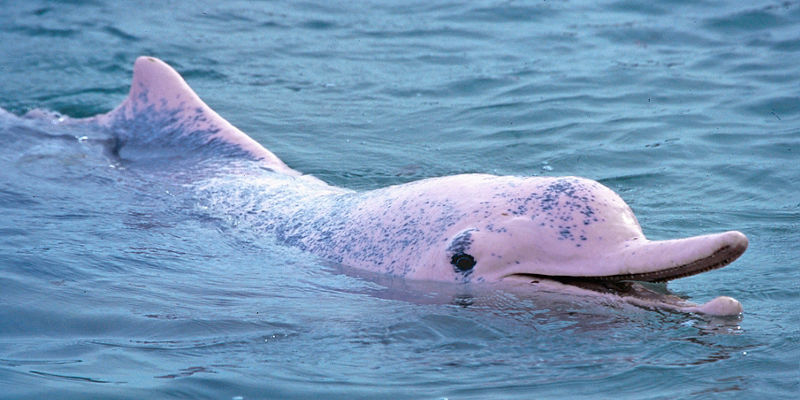
Catch a glimpse of the Amazon River dolphin’s (Inia geoffrensis) pink-hued skin, and you might mistake it for a mythical beast from a fairytale. Found throughout the Amazon and Orinoco River basins in Bolivia, Brazil, Colombia, Ecuador, Guyana, Peru and Venezuela, this mysterious species of dolphin—also called boto or bufeo in Portuguese and Spanish, respectively—can grow more than 8 ft (2.4 m) long, weigh 350 lbs (160 kg) and live up to 30 years. Although they are recognized for the color of their skin, the hue itself can vary. As calves, they are typically grey and change as they get older based on several factors such as capillary placement, scar tissue, exposure to sunlight and diet.Unlike other species of dolphin that travel in large pods, the river dolphin of the Amazon is more solitary, usually found in groups of 2–4, often a mother and her young. What also makes this dolphin unique is its flexible neck; its unfused vertebrae allow the dolphins to turn nearly 90 degrees and maneuver around tree trunks, submerged branches, rocks and other obstacles. These creatures are highly agile and can be spotted swimming upside down while using echolocation to hunt for prey on the riverbed.
Açai palm trees
At the turn of the 21st century, the popularity of superfruits such as blueberries, cranberries and açaí berries skyrocketed when they were found to be rich in nutrients and antioxidants—an ideal feature of most trendy diets at the time. Due to its unique quality of being low in sugar but high in fat, the açaí was considered the most “super” of them all.Açaí palm trees, which produce the small purple berries, are native to the eastern Amazonia region of South America and are cultivated mainly in Brazil. The palms are tall and slender and can grow to be over 80 ft (24 m) high with leaves up to 10 ft (3 m) long.
The Indigenous communities of South America have known about the many benefits of the açaí for generations. They use the pulp of the berry for sweets, juices, wine and medicinal purposes as an anti-inflammatory. The tree is also an important source of palm hearts, which are vegetables that can be harvested without killing the plant.
South America Highlights
A South American voyage brings you to the heart of awe-inspiring landscapes and lively cities. Delve into local culture, behold breathtaking scenery and observe diverse wildlife. Here is a glimpse of some of the extraordinary sights and activities you may experience during your travels:
- Observe the “Meeting of the Waters” along the Amazon River
- Experience a thrilling Boi Bumbá performance in Brazil
- Explore the tranquil Île Royale in French Guiana
- Sample wines at a historic vineyard in Uruguay
- Visit a working cacao farm in Ecuador
- Journey to Machu Picchu, a UNESCO World Heritage Site
- Attend a tango show in enchanting Buenos Aires
- Take in stunning scenery along a Patagonian horseback trail
- Ride a Special Operations Boat in Chile's Garibaldi Fjord
- See the otherworldly salt plains of the Atacama Desert
- Watch for Magellanic penguins in the Falkland Islands
- Accompany a naturalist to the remote Galápagos Islands
Destination Insight Videos

Explore Iguazú Falls (3:06)
Discover our extension at majestic Iguazú Falls and find out why our Chairman and CEO, Torstein Hagen, recommends visiting this natural wonder. Then, learn about the included overnight stay in cosmopolitan Buenos Aires, home of the enchanting tango.

Discover the culinary delights of Buenos Aires (15:38)
Explore the Argentine capital’s vibrant food scene and visit iconic eateries that you can experience on one of our ocean or expedition journeys that calls on Buenos Aires. Your host, a local tour guide, begins the episode with a warm coffee and buttery medialuna pastry at historic Café Tortoni, then savors some of Argentina's finest wines at El Querandí. Next, follow your host to the San Telmo Market, where sizzling parrillas (cast iron grills) are used to cook steaks to perfection. Finally, your host introduces you to traditional mate, a beloved tea-like beverage, before participating in a hands-on empanada-making experience.

At Home in Santiago (28:03)
Explore the heart of modern Santiago, one of the largest cities in the Americas. Follow your host to the Museo Precolombino, where ancient artifacts tell stories of pre-Columbian civilizations. Then, marvel at the Plaza de Armas, home to the grand Metropolitan Cathedral of Santiago, and discover La Moneda, Chile’s elegant presidential palace. Explore local Chilean dishes at El Galeón, a renowned market, and discover winemaking traditions at Santa Rita vineyard. You will also have an opportunity to discover artisanal handicrafts at Los Dominicos village.

Learn about the history of Chile with Viking Resident Historian Dr. Michael Fuller (37:12)
Viking Resident Historian Dr. Michael Fuller joins us to share the “History of Chile.” During this special episode, discover how Chile became an accomplished Latin American powerhouse on the world stage. Then, find out how you can enjoy several days sailing among the stunning landscapes of the Chilean fjords on our Longitudinal World Cruises, passing rugged mountain peaks and blue-tinted icebergs before exploring Santiago, Chile’s vibrant capital.

Explore the Inca Empire with Viking Resident Historian Dr. Juan Garcia (1:19:01)
Uncover the incredible history of the Inca empire with Viking Resident Historian Juan R. Garcia, PhD. During this presentation from our Iconic Lecture series titled “Age of the Inca,” Dr. Garcia reveals the rapid rise and fall of one of South America’s great empires. At their height in the late 15th century, the Inca ruled an area that extended from the northern border of modern Ecuador to the Maule River in central Chile. This is a unique opportunity to delve deeper into the world of this mysterious ancient civilization.

At Home in Rio de Janeiro (20:01)
Experience the vibrant city of Rio de Janeiro with a visit to Cidade do Samba (“Samba City”), where iconic Carnival costumes come to life. Then, follow your guide to Pier Mauá, a bustling port that welcomes our guests when they arrive in the city. Continue to the Museum of Art of Rio, home to one of Brazil’s most important contemporary art collections, before visiting the Metropolitan Cathedral, where you can admire its unique cone shape and vivid stained glass. Finally, at Cinelândia Square, discover the grand exteriors of the Municipal Theatre and the National Library, then take in sweeping views of the city’s famous beaches and Sugar Loaf Mountain.
South America Travel FAQ
Enriching Itineraries—South America
Choose one of our immersive voyages and discover the many benefits of exploring in Viking comfort.

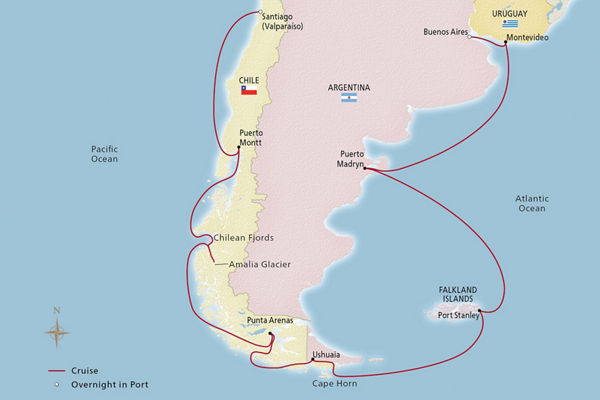
South America & the Chilean Fjords
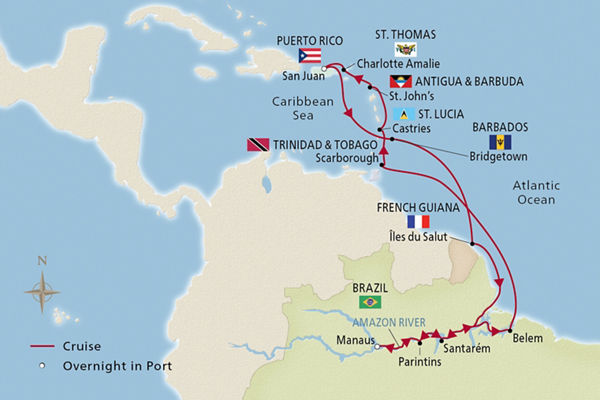
NEW! From the Caribbean to the Amazon