


Experience the beauty of Lisbon
Shaped by centuries of exploration and trade, Lisbon offers historic architecture, vibrant neighborhoods and enduring cultural traditions. Read on to learn about a beloved Portuguese pastry, enhance your knowledge of fado and delve into the lives of some extraordinary figures from Lisbon’s past
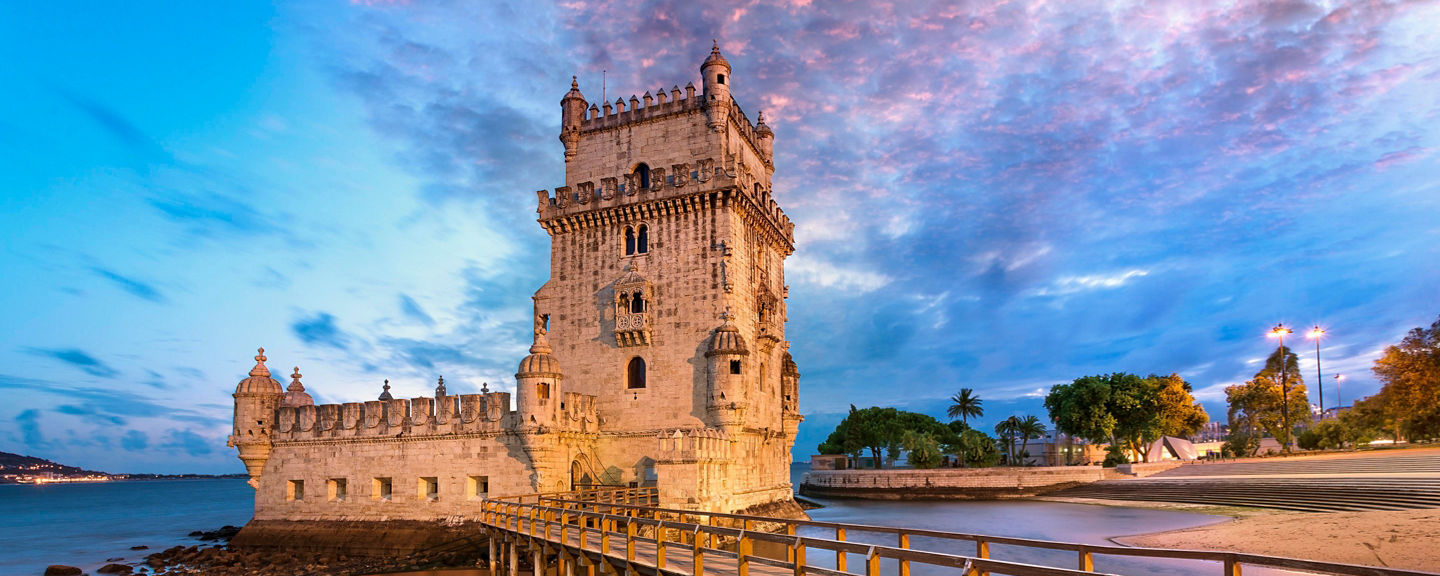
Lisbon
Lisbon, the capital and largest city of Portugal, is situated near the mouth of the Tagus River along the country's Atlantic coast. Spread across a series of rolling hills overlooking one of Europe’s great natural harbors, Lisbon has served as a gateway between continents for centuries. Its strategic location helped make it the center of Portugal’s Age of Discovery (15th–17th centuries), when explorers sailed from its shores to Africa, Asia and the Americas, shaping the course of global history.
Lisbon enjoys a Mediterranean climate, characterized by warm, dry summers and mild winters. Summer temperatures typically range from 70°F to 85°F (21°C to 29°C), while winter temperatures generally remain between 45°F and 60°F (7°C to 16°C). The city's sunny weather and proximity to the Atlantic Ocean make it an attractive destination throughout the year.
With a history extending back over two millennia, Lisbon was shaped by a succession of civilizations, including the Phoenicians, Romans, Visigoths and Moors. The city became firmly linked to the emerging Kingdom of Portugal in 1147, when King Afonso Henriques—aided by Northern European Crusaders en route to the Holy Land—seized it from Moorish control during the Siege of Lisbon. The victory brought the city under Christian rule and set the stage for its future growth and influence.
By the 15th and 16th centuries, Lisbon had emerged as one of Europe’s wealthiest and most influential ports. During the Age of Discovery, its busy docks became the departure point for renowned explorers including Vasco da Gama, whose voyages helped establish maritime routes to India, Africa and the Americas. The flow of spices, gold and other valuable goods transformed Lisbon into a thriving center of international trade and one of the most prosperous capitals in Europe.
A defining moment in the city’s history occurred in 1755, when a devastating earthquake, tsunami and series of fires destroyed much of Lisbon. Under the leadership of King José I and his chief minister, the Marquis of Pombal, the city was extensively rebuilt. The orderly streets and grand squares of central Lisbon, including Praça do Comércio, remain lasting symbols of this remarkable reconstruction.
Today, Lisbon attracts visitors with its rich history, UNESCO World Heritage Sites and welcoming atmosphere. Below are some of the landmarks and experiences that help define this enchanting city:
- Belém Tower—One of Portugal’s most recognizable landmarks, Belém Tower was constructed in the early 16th century to help defend the entrance to Lisbon’s harbor. Designed to commemorate Vasco da Gama’s voyage to India, this UNESCO World Heritage Site stands as a symbol of the city’s maritime achievements during the Age of Discovery.
- Jerónimos Monastery—Another UNESCO-listed treasure, the Jerónimos Monastery is considered one of the finest examples of Manueline architecture. Built by King Manuel I in the late 15th century, the monastery was home to monks who prayed for the king and departing seafarers. Today, it reflects the wealth and ambition of Portugal’s golden age.
- Monument to the Discoveries—Inaugurated in 1960, this striking monument on the Tagus waterfront honors the explorers, navigators and visionaries who helped establish Portugal as a global maritime power. More than 30 historical figures are represented in its sculptural design.
- Praça do Comércio—One of Europe’s grandest public squares, Praça do Comércio occupies the site of Lisbon’s former royal palace. An equestrian statue of King José I commemorates the monarch who oversaw the city's rebuilding after the 1755 earthquake.
- National Tile Museum—Housed in a 16th-century former convent, the National Tile Museum traces the history of Portugal’s famous azulejos through centuries of artistic and architectural development. With their distinctive, intricate patterns, these ceramic treasures illustrate scenes from both everyday life and important events that shaped the region’s history.
- Calouste Gulbenkian Museum—This renowned museum features an exceptional collection of European, Asian and Middle Eastern art assembled by philanthropist Calouste Gulbenkian (1869–1955). Highlights include Egyptian antiquities, Islamic decorative arts, Renaissance paintings, French furniture and works by masters such as Rembrandt and Monet, all displayed within a tranquil garden setting.
- National Coach Museum—Home to one of the world’s finest collections of historic royal carriages, the museum showcases the grandeur of the Portuguese monarchy. Visitors can admire lavishly decorated coaches dating from the 16th to 19th centuries, many adorned with gilded carvings, paintings and intricate details.
- Lisbon Oceanarium—One of Europe’s largest aquariums, the Oceanarium presents marine ecosystems from around the globe in an immersive setting. Centered around a massive open-ocean tank, the facility is home to sharks, rays, sea otters and a vast array of fish species.
- Museu de Arte Contemporânea e Centro de Arquitetura do Centro Cultural de Belém (MAC/CCB)—Known for its extensive modern and contemporary art collection, the museum features works by many of the 20th century’s most influential artists. Its galleries showcase important movements including surrealism, pop art, minimalism and conceptual art, with pieces by Paula Rego, Amadeo de Souza-Cardoso, Pablo Picasso, Andy Warhol, Salvador Dalí and others.
- Castelo de São Jorge—Perched above the city, this medieval fortress offers sweeping views of Lisbon and the Tagus River while reflecting centuries of history. Originally fortified by the Moors and later expanded by Portuguese rulers, the castle features ancient walls and scenic terraces overlooking the capital.
- Santa Justa Lift—Completed in 1902, this distinctive iron elevator connects Lisbon’s lower and upper districts and provides panoramic city views from its observation deck. Designed in a striking Neo-Gothic style, the landmark reflects the engineering innovations of the early 20th century and remains one of Lisbon’s most recognizable attractions.
- Carmo Convent—The ruins of this 14th-century Gothic convent stand as a lasting reminder of the devastating 1755 Lisbon earthquake. Its roofless nave, elegant stone arches and on-site archaeological museum provide a powerful perspective on both the city’s medieval heritage and the catastrophe that reshaped Lisbon.

-
Fado
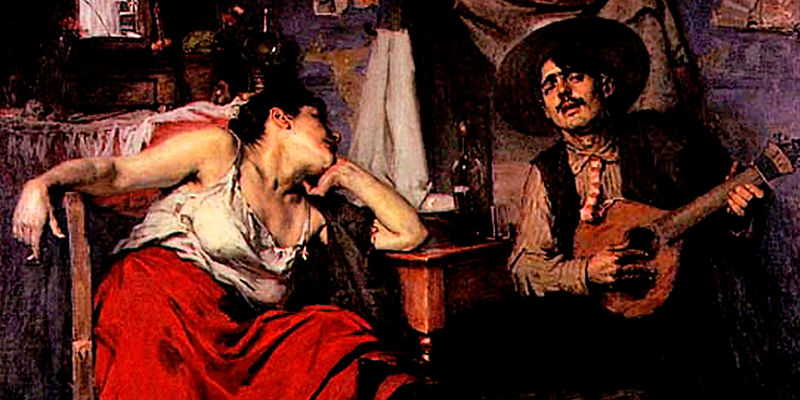
Recognized as an expression of Intangible Cultural Heritage by UNESCO in 2011, fado is a Portuguese musical style known for its emotional intensity, poetic lyrics and haunting melodies. Fado has been performed in the streets, taverns and neighborhoods of Lisbon for nearly two centuries and remains one of the country's most cherished cultural expressions.
Its origins can be traced to the working-class districts of Lisbon during the early 19th century, particularly in neighborhoods such as Alfama, Mouraria and Bairro Alto. Historians believe fado emerged from a blend of influences, including Portuguese folk traditions, Afro-Brazilian musical styles and songs brought to the city by sailors, merchants and immigrants. As a bustling Atlantic port, Lisbon served as a meeting point for cultures from Europe, Africa and South America, helping shape the music’s unique sound.
The name derives from the Latin term fatum, meaning "fate" or "destiny," themes that frequently appear in its lyrics. Many songs explore love, loss, longing and saudade, a uniquely Portuguese concept expressing a deep sense of yearning for something absent or unattainable. This emotional depth is what gives fado its enduring appeal.
Traditionally, the performances center on a solo singer, known as a fadista, accompanied by a classical guitar and the Portuguese guitar—a distinctive, pear-shaped 12-string instrument. Performances often take place in intimate venues known as casas de fado, where audiences listen in respectful silence as singers convey stories of destiny, heartbreak and hope.
One of the genre’s most influential figures was Amália Rodrigues, often called the "Queen of Fado." During the mid-20th century, she helped transform a local Lisbon tradition into a globally recognized art form. Her recordings and performances remain highly influential today, and visitors can learn about her legacy at the Casa-Museu Amália Rodrigues, a museum that was established in her longtime home.
Today, fado continues to thrive in Lisbon. Passed down through generations, it remains a living tradition that connects the city to its past while continuing to evolve. The genre continues to gain international recognition through acclaimed artists such as Ana Moura, one of Portugal’s most celebrated fado singers and the godmother of the Viking Hemming. Whether heard in a centuries-old tavern in Alfama or on a concert stage, this rich cultural tradition offers visitors a powerful expression of Lisbon’s history, passion and enduring spirit.
-
Pastel de nata
Few foods are more closely associated with Lisbon than the pastel de nata, Portugal’s famous custard tart. With its crisp, flaky shell and creamy custard filling caramelized to golden perfection, this beloved pastry has become a symbol of Portuguese culinary culture and an essential part of any visit to Lisbon.
The origins of the pastel de nata can be traced to the Jerónimos Monastery in the Belém district. During the 18th and early 19th centuries, monks used large quantities of egg whites to starch clothing and linens, leaving an abundance of egg yolks. Rather than waste these ingredients, they incorporated them into a variety of desserts, eventually creating this signature treat.
The next chapter in the dessert’s history is linked to a turbulent period during the early 19th century. In 1820, the Liberal Revolution sparked political and social reforms that gradually weakened the influence of the monarchy and the Catholic Church. In 1834, the Portuguese government dissolved monasteries and convents and confiscated many church properties. Facing the loss of their traditional sources of support, the monks began selling their pastries. Soon afterward, the recipe was acquired by a local sugar refinery, which opened a bakery in 1837 to produce the tarts commercially. That bakery, known today as Fábrica de Pastéis de Belém (Belem Pastry Factory), continues to use its closely guarded recipe and remains one of Lisbon's most famous culinary landmarks.
Preparing pastéis de nata (the plural of pastel de nata) requires skill and precision. The recipe begins with a laminated dough similar to puff pastry, rolled into thin layers that develop into a crisp, flaky shell. The filling is made from egg yolks, milk or cream, sugar and flour, cooked into a smooth custard. The tarts are then baked at very high temperatures, allowing the tops to develop the characteristic browned and lightly blistered surface that distinguishes an authentic pastel de nata.
Today, pastéis de nata are enjoyed around the world, but Lisbon remains their spiritual home. Locals often pair them with a strong espresso, enjoying them as a morning treat or afternoon snack. Many cafés serve them dusted with cinnamon or powdered sugar, a traditional accompaniment that enhances their rich flavor. Whether sampled in a neighborhood bakery or the café of the famed Fábrica de Pastéis de Belém, the pastel de nata offers a delicious taste of Lisbon’s history, culture and enduring culinary traditions.
-
Notable figures associated with Lisbon
Lisbon has long been associated with influential explorers, statesmen, writers and artists whose achievements helped shape Portugal’s history and culture. From navigators who charted new sea routes to poets, musicians and reformers, these individuals reflect Lisbon’s legacy as one of Europe’s great cultural capitals.
- Prince Henry the Navigator (1394–1460)—Although he rarely undertook voyages himself, Prince Henry the Navigator was among the principal architects of Portugal’s Age of Discovery. The royal prince sponsored expeditions along the coast of Africa, promoted advances in navigation and cartography and helped establish Portugal as Europe’s leading maritime power. His vision laid the groundwork for the global explorations that transformed the city into one of the world's most important ports and centers of commerce. He is the foremost figure on Lisbon’s renowned Monument to the Discoveries.
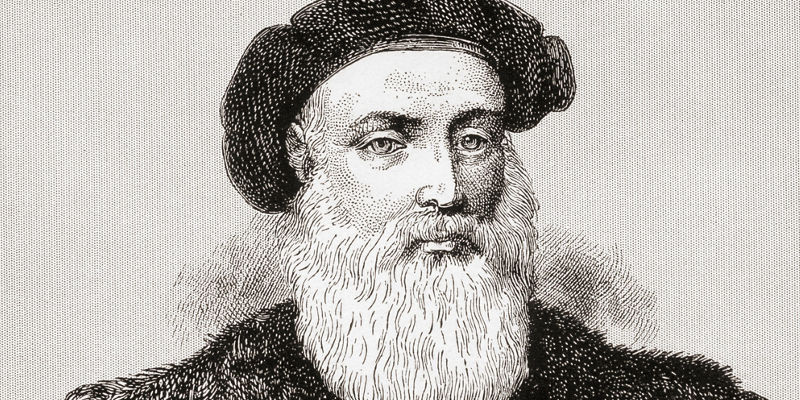
- Vasco da Gama (c. 1460s–1524)—One of history’s most celebrated explorers, Vasco da Gama achieved lasting fame when he led the first successful voyage from Europe to India via the Cape of Good Hope in 1498. Departing from Portugal and returning with valuable knowledge of a direct maritime route to Asia, his expedition ushered in a new era of global trade and cemented Portugal’s status as a major world power. Vasco da Gama's legacy remains deeply connected to Lisbon, where monuments and memorials commemorate his achievements, particularly in the historic Belém district.
- King Manuel I (1469–1521)—Known as "Manuel the Fortunate," King Manuel I presided over the golden age of Portuguese exploration and prosperity. Under his reign, Portugal’s overseas trade flourished, bringing immense wealth to Lisbon. He commissioned many of the city's most enduring landmarks, including the Jerónimos Monastery and Belém Tower. The distinctive Manueline architectural style, characterized by elaborate maritime motifs and decorative stonework, bears his name and remains one of Portugal’s most important artistic contributions.
- Luís de Camões (c. 1524–1580)—Widely regarded as Portugal’s national poet, Luís de Camões immortalized the nation’s maritime achievements in his epic poem Os Lusíadas (The Lusiads), first published in 1572. The work celebrates Vasco da Gama’s voyage to India while exploring themes of heroism, exploration and national identity. Camões is commemorated throughout Lisbon, most notably in Praça Luís de Camões, a prominent square that serves as one of the city’s cultural gathering places.
- Sebastião José de Carvalho e Melo, Marquis of Pombal (1699–1782)—One of Portugal’s most influential statesmen, the Marquis of Pombal served as prime minister between 1756 and 1777, during the reign of King José I. Following the catastrophic Lisbon earthquake of 1755, he directed one of the most ambitious urban reconstruction projects in European history. The wide avenues, orderly street grids and elegant squares of downtown Lisbon owe much to his leadership.
- Fernando Pessoa (1888–1935)—Fernando Pessoa transformed Portuguese literature through his innovative writing and creation of more than 75 literary alter egos, which he referred to as his "heteronyms.” Much of his life was spent in Lisbon, where he worked, wrote and frequented the city's cafés. His poetry and prose explored identity, philosophy and modernity, earning him international recognition and securing his place as one of Portugal’s greatest writers. For visitors to Lisbon, the two works most associated with Pessoa are The Book of Disquiet—a “factless autobiography” published posthumously in 1982—and Mensagem (1934), a collection of poems celebrating Portugal's history, heroes and maritime achievements.
- Amália Rodrigues (1920–1999)—Often called the "Queen of Fado," Amália Rodrigues elevated Portugal’s traditional musical genre to international prominence. Born in Lisbon, she became the defining voice of fado during the 20th century, captivating audiences with her expressive performances and emotional interpretations of songs centered on love and longing. Her legacy continues to be celebrated throughout Lisbon, particularly in the historic neighborhoods of Alfama, Mouraria and Bairro Alto, where fado continues to thrive today.

Lisbon Highlights
From grand monasteries and historic neighborhoods to authentic culinary traditions, Lisbon offers a captivating mix of culture and modern energy. Here are some highlights you may experience during a visit to this remarkable city:
- Visit the UNESCO-listed Belém Tower
- Explore the Alfama District, Lisbon’s oldest quarter
- Tour the elegant Jerónimos Monastery
- Taste ginjinha, a beloved Portuguese cherry liqueur
- Take a scenic tram ride through the city
- Enjoy breathtaking vistas at the Miradouro da Graça viewpoint
- Sample the famed pastel de nata, a baked egg custard pastry
- Delve into the Age of Discovery at the Maritime Museum
- Listen to a live performance of traditional fado music
- View artistic masterpieces at the Calouste Gulbenkian Museum
Lisbon Travel FAQ
Enriching Itineraries—Lisbon
Choose one of our immersive voyages and discover the many benefits of exploring in Viking comfort.
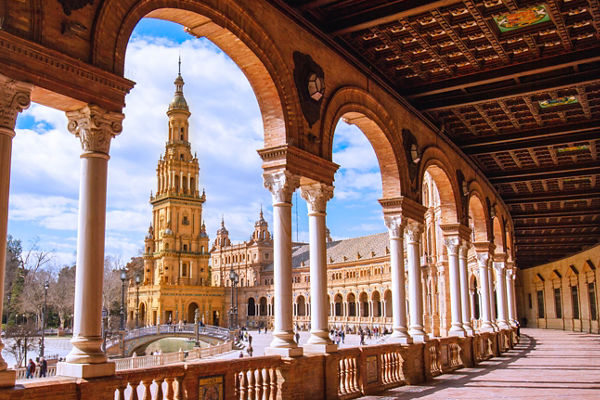
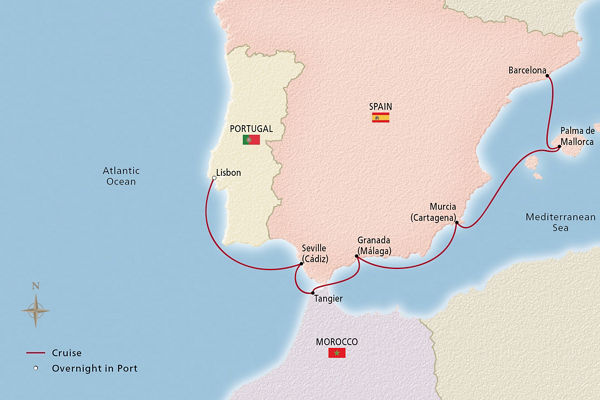


NEW! Spain, Portugal & the Mediterranean


