

Discover Australia & New Zealand
Explore the vibrant cities & stunning natural wonders of these two island nations. With their rich history, distinctive cultural traditions and unique terrain, Australia and New Zealand continue to captivate travelers. Read on to learn about some of the region’s favorite dishes, discover how the Māori have experienced a cultural revival in New Zealand and explore what makes the Great Barrier Reef such a remarkable natural phenomenon.
Australia & New Zealand
Australia and New Zealand, located in the Southern Hemisphere, are renowned for their stunning landscapes, rich cultural heritage and vibrant cities. These neighboring countries offer a unique blend of natural beauty, historical significance and modern attractions, making them captivating destinations for travelers—and well worth the journey.
Australia is the world’s smallest continent and occupies an area of approximately 2.97 million sq mi. (7.69 million sq km). It borders the Timor and Arafura seas to the northwest, the Coral Sea and the Torres Strait to the northeast, the Tasman Sea to the southeast and the Indian Ocean to the southwest. The country enjoys average temperatures ranging from 72°F (22°C) to 81°F (27°C) year-round.
New Zealand is an island country consisting of two main landmasses—the North Island (Te Ika-a-Māui) and the South Island (Te Waipounamu)—and over 600 smaller islands. It lies southeast of Australia across the Tasman Sea. New Zealand also has a temperate maritime climate.
The official language of both Australia and New Zealand is English. The Te Reo Māori language is also spoken in New Zealand. Australia’s population is approximately 26.7 million people while New Zealand’s is estimated at 5.2 million people.
Australia was first settled around 50,000 years ago by Indigenous Australians. European settlement began in 1788 with the arrival of the First Fleet, comprised of eleven ships of British prisoners who had been sentenced to serve in Australian penal colonies. “Transportation,” as this practice came to be known, continued until 1868, and in 1901, Australia became a federation.
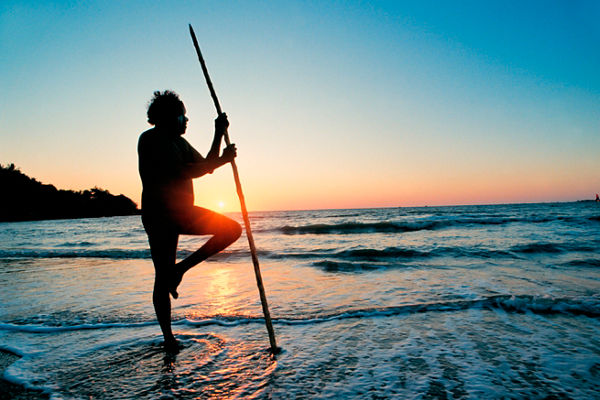
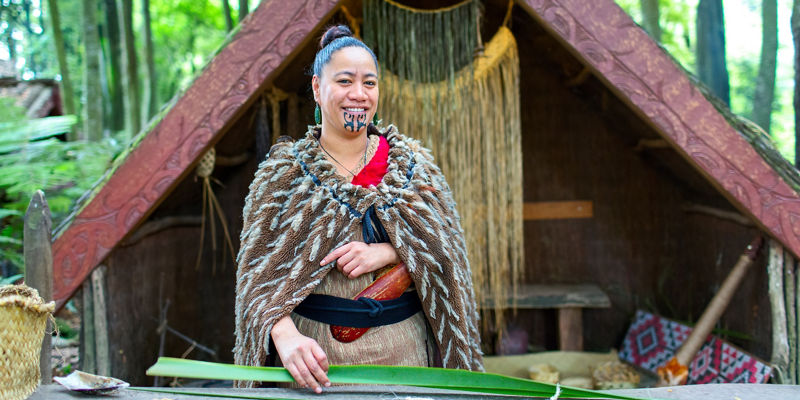
Both countries have rich Indigenous cultures, with the Aboriginal and Torres Strait Islander peoples in Australia and the Māori in New Zealand. These cultures are celebrated through art, music, dance and traditional ceremonies.
Some of the most renowned landmarks in this region include:
- Great Ocean Road—Australia’s scenic coastal drive, known for its stunning views and the Twelve Apostles rock formations
- Milford Sound—A breathtaking fjord in New Zealand’s Fiordland National Park
- Waitomo Caves—A large cave system on New Zealand’s North Island, notable for its brilliant glowworm displays
- Bay of Islands—An area on the North Island of New Zealand, famous for its idyllic beaches and historic towns
Visitors can also see these remarkable UNESCO World Heritage Sites:
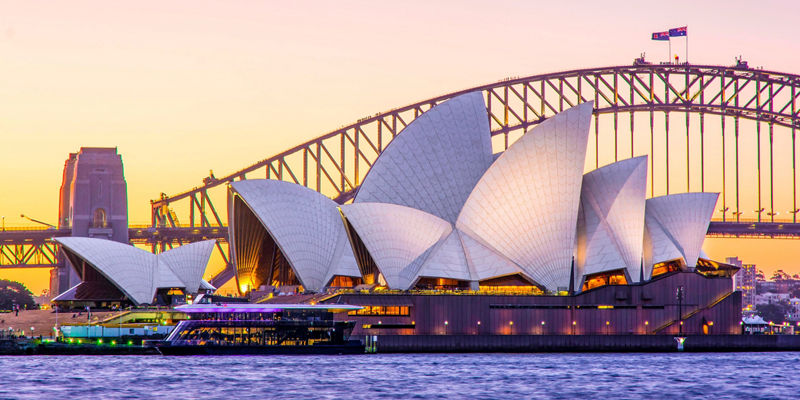
- Sydney Opera House—An iconic symbol of Australia, widely regarded as one of the world’s most distinctive architectural masterpieces
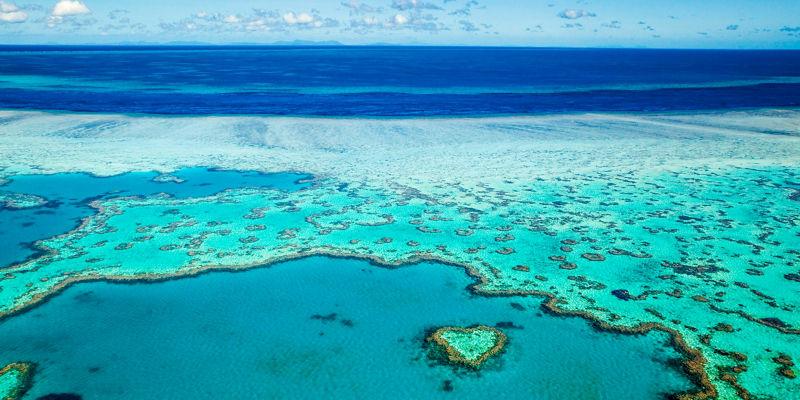
- Great Barrier Reef—The world's largest coral reef system, which can be seen from outer space
- Uluru (Ayers Rock)—A massive sandstone monolith sacred to Australia's Indigenous Anangu people
- Tongariro National Park—New Zealand’s oldest national park, known for its volcanic landscapes
Australia and New Zealand have both evolved significantly from their colonial pasts, embracing modernity while preserving their rich Indigenous heritage. Today, these countries are known for their high quality of life, strong economies and vibrant cultural scenes. They continue to attract visitors from around the world with their unique blend of natural beauty and modern amenities.

-
A brief history of the Māori
The first Māori arrived in New Zealand around the year 1280. The people’s oral history tells of a mythical Polynesian homeland, Hawaiki, from which ancestors arrived in large ocean-worthy canoes called waka. Hawaiki may be the stuff of legend, but the waka were very real, serving as the preferred migratory vehicle of the Māori throughout the South Pacific as far back as 3,000 BC.
Over generations, the New Zealand Māori developed their own culture based on that of their Polynesian roots. As the population increased, competition for resources grew fierce. Hill forts (pā) and larger waka were built as the Māori went on the defensive with their brethren. Europeans stepped into this tense environment in the 18th century, bringing with them new technology and weapons. With British-provided muskets newly in hand, intertribal warfare surged from 1800 to 1843. These “Musket Wars” marked a turning point, cutting the Māori population in half.
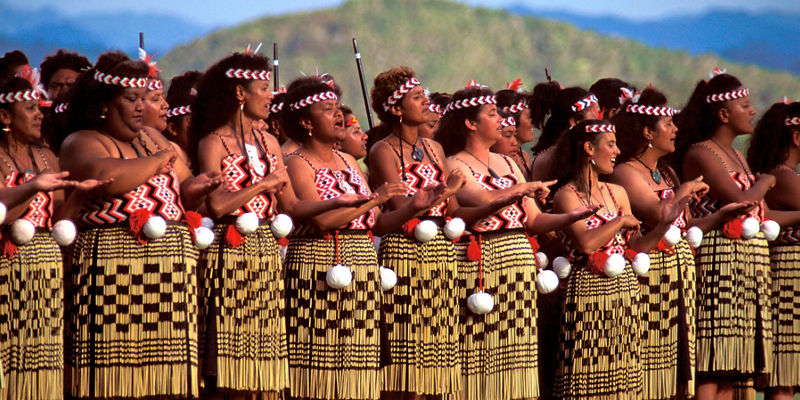
In 1840, Queen Victoria sent William Hobson to draw up an agreement that would quell growing tensions. The result, the Treaty of Waitangi, was signed in the Bay of Islands by some 500 tribal chiefs and several British officers, giving the Māori the rights of British subjects and ownership of their land. After a period of population decline, the Māori today are experiencing a cultural revival. Many hold vital roles in New Zealand’s society, even as they preserve their beloved traditions.
-
An introduction to Māori principles
Over 930,000 strong, Māori represent 17% of New Zealand’s population. Most Māori (86%) live in the North Island. But no matter where the Māori people reside, their philosophies, language and art have become a significant component of New Zealand’s national identity.
Here are two important Māori tikanga, or customs, that many New Zealanders have adopted:
Manaakitanga
Manaakitanga is a spirit of hospitality and kindness. It is embodied in the act of welcoming and looking after guests. The guiding principle is that both those who provide hospitality, generosity and respect and those who receive it are better off because of this tradition of manaakitanga. This concept is important to many New Zealanders.
Kaitiakitanga
Kaitiakitanga is the deep respect and stewardship that the Māori people have for the natural environment. Mana, tapu and mauri are complementary principles.
Mana is spiritual power. A forest’s mana is exhibited by an abundance of blossoms, fruit and birds.
Tapu is spiritual restriction. For mana to thrive in the forest, some restrictions (for example, making certain fishing areas off-limits until stocks recover) must be established and observed.
Mauri is life force. Protecting the mauri of the forest enables its mana to flow.
Kaitiakitanga shapes the way many New Zealanders think about their responsibility for protecting the natural world.
-
Australia & New Zealand’s favorite dishes
Australia and New Zealand, two neighbors of the Southern Hemisphere, boast rich and diverse culinary traditions that reflect their geography, colorful histories and natural resources. From fresh seafood and hearty meats to locally grown fruits and vegetables, their dishes offer a little something for everyone. A few of the top dishes from this region of the world include:
- Meat Pie
A traditional snack dish in both Australia and New Zealand, this tasty pie can include steak and cheese or minced meat and vegetables. Kiwis get even more creative with this meal, often adding other fillings like Thai curry or Indian butter chicken. - Barramundi
One of Australia’s most prized fish, the versatile barramundi is light, delicious and can be served grilled, pan-seared or cooked in the Indigenous method of wrapping in paperbark. - Crayfish
A delicacy in New Zealand, these crustaceans are renowned for their meaty flavor with just a hint of sweetness. - Whitebait
A Māori seafood dish, whitebait is usually prepared as a fritter by frying small fish with eggs, which can then be eaten on toast or as a sandwich. - Pavlova
There is an ongoing debate between Australians and New Zealanders over who invented this beloved meringue. From backyard barbecues to Christmas Day celebrations, this dessert is almost always served on special occasions. Pavlovas are commonly topped with fresh fruit and whipped cream or presented in alternating layers to create a cake.
- Meat Pie
-
Australia’s undisputed center of botany
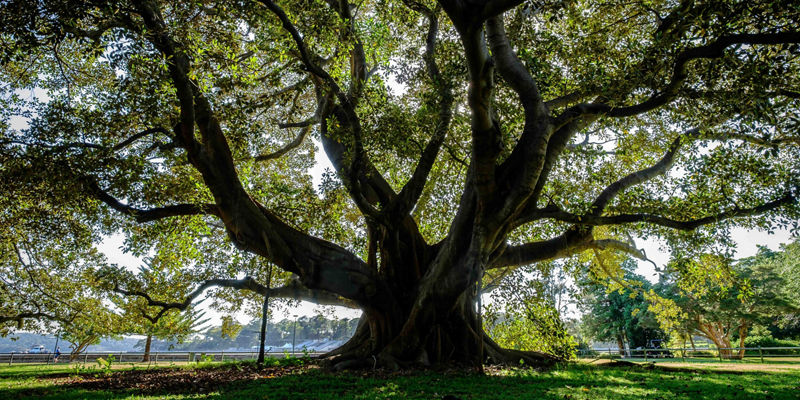
Much more than a walk in the park, Sydney’s Royal Botanic Garden enjoys a spectacular harborside setting. From a tranquil bamboo forest and soaring Australian banyan trees to shaded palm groves, it is one of the city’s most enriching locales.
A rags-to-riches story
The decision to use this harborside land to study and observe botanical science may not have seemed wise upon the garden’s founding: the first European farmers had tried without success to cultivate this soil in 1788. However, over the next 30 years, horticulturalists devised ways to boost the fertility of the parcel, culminating in the lush, verdant paradise and inviting pathways that Sydneysiders enjoy today.
A major center of scientific inquiry
One of the world’s most important gardens, the Royal Botanic Garden has been operating as an active scientific organization for over 200 years, for studying and documenting plant life in New South Wales and Australia. Behind the scenes, as nature lovers stroll past flower beds and serene ponds and through sun-dappled glens, world-renowned researchers study plant diversity, genetics, ecology, seed science, plant pathogens and more. The institution also preserves and manages botanic gardens at Mt. Annan in western Sydney and Mt. Tomah in the nearby Blue Mountains.
Marvel at a breathtaking collection
Amid its sweeping lawns and shaded woodlands, the Royal Botanic Garden features a Rose Garden, Fernery, Oriental Garden and Rare and Threatened Species Garden. The National Herbarium of New South Wales houses more than 1.43 million specimens from around the world. Impressive buildings also catch the eye, from the Gothic Revival Government House to the citadel-like Conservatorium of Music.
-
Discover the fascinating fauna of Australia and New Zealand
Australia is famous for its fascinating wildlife. Here are some of the most notable species that live down under.
Fauna of Australia:
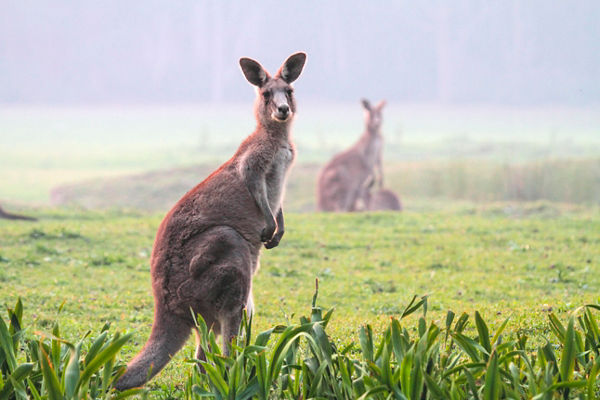
Kangaroo—Australia’s most famous marsupial, kangaroos carry their young (called joeys) in a pouch. These native mammals can jump an impressive three times their own height.
Emu—Australia’s tallest native bird, emus are up to six feet tall. These flightless birds are found only in Australia and live in the coastlands and the mountains.
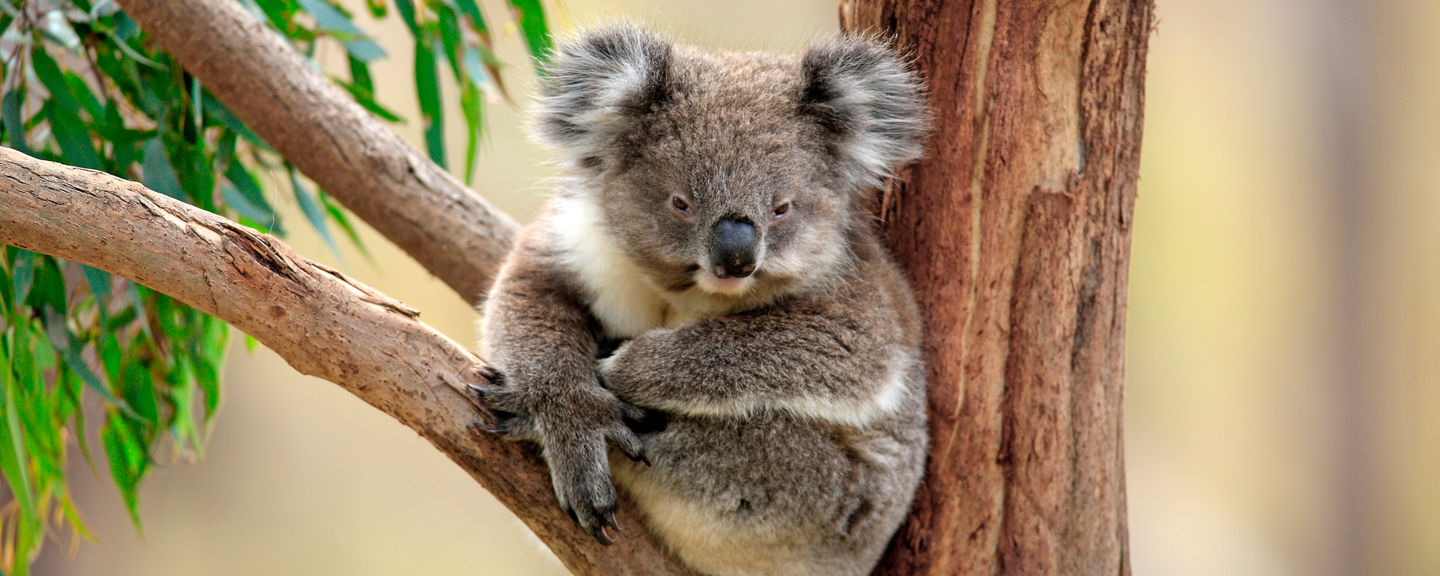
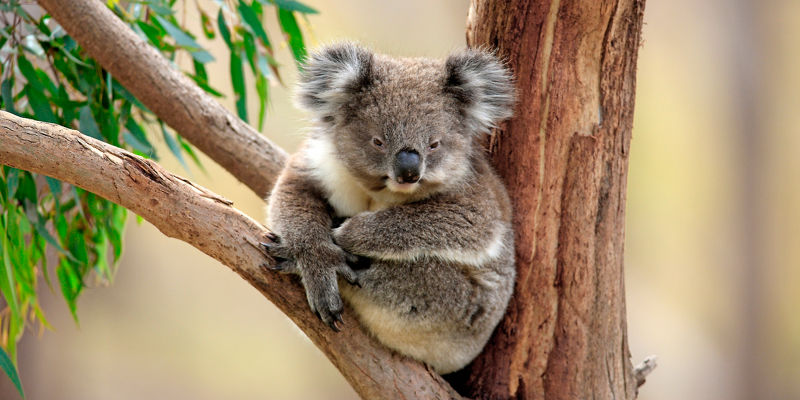
Koala—Like kangaroos, koalas are marsupials with pouches for their young. They eat and get water from eucalyptus leaves and live in eastern Australia where these trees abound.
Wombat—Common wombats are found in Tasmania, East Victoria, New South Wales and Queensland. These adorable creatures sometimes sleep on their backs with their feet in the air.
Platypus—This egg-laying mammal has a duckbill, making it highly unusual. Found in eastern Australia, males also have venom that can be fatal to small dogs or cats.
Echidna—Like the platypus, the echidna is an egg-laying mammal. Also known as spiny anteaters, echidnas can live up to fifty years because of their slow metabolism.
Tasmanian Devil—As its name suggests, the Tasmanian devil is an inhabitant of Tasmania. Fierce and nocturnal, they are the only surviving carnivorous marsupials.
Cassowary—Another flightless bird, the cassowary calls the rainforest in northern Queensland home. Smaller than ostriches, cassowaries have a powerful kick and can swim up to two miles.
Fauna of New Zealand:
Kiwi—Native to New Zealand, kiwis inhabit both the North Island and South Island. Although they are the smallest flightless bird, kiwis lay the largest eggs relative to their body size.
Tuatara—Called the “living fossil,” its closest relatives are an extinct group of reptiles. Found only in New Zealand, tuataras (meaning “spiny back” in Māori) have spiky scales on their backs and tails.
-
Hobart: a historic city in a splendid setting
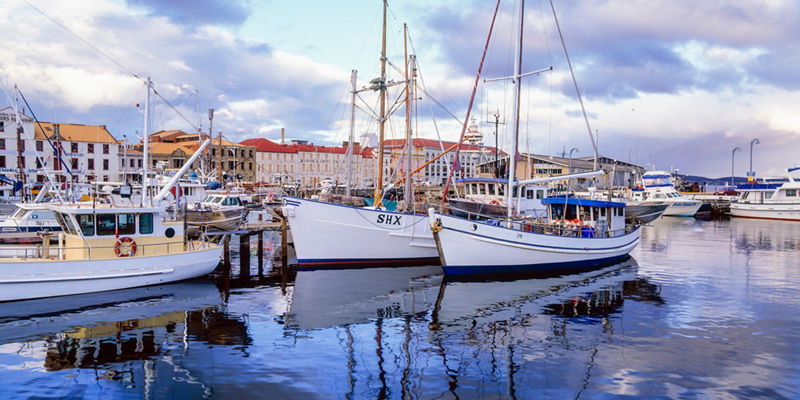
Straddling the southeastern shores of the island state of Tasmania, Hobart may seem far removed from the rest of Australia. But its cultural heart beats as vibrantly as that of any city on the mainland, and as one of Australia’s oldest cities, it boasts a rich and fascinating past.
Salamanca Place
The colonial-era buildings that line Salamanca Place feature well-preserved sandstone facades, and Georgian and Victorian styles evoke the bustling days of merchants, sailors and trade. Today, this quaint, historic corner of Hobart is vibrant with shops, galleries and outdoor cafés.
Royal Tasmanian Botanical Gardens
Established in 1818, Hobart’s renowned gardens are most notable for their Sub Antarctic Plant House, the only one of its kind in the world. Its climate-controlled environment mirrors the chilly fog, mist, moisture and cold of the high southern latitudes, allowing the area's unique plants to grow.
Brooke Street Pier
This refurbished 4-story floating pier (“both a building and a boat,” some locals say) rises and falls with the tide. This innovative space, inspired by the maritime heritage and architecture of its seaside locale, offers fashionable dining venues and an open market space that hosts boutique local businesses.
Mt. Wellington
Rising to 4,170 feet, Mt. Wellington is snow-covered for much of the year, but an ideal outdoor playground with forested trails and dramatic rock pillars nicknamed “Organ Pipes.” A glass-enclosed lookout at the summit offers stunning views of Hobart and the Derwent River estuary.
MONA: The Museum of Old and New Art
Opened in 2011, MONA is the largest museum built with private funds in the Southern Hemisphere. Featuring ancient, modern and contemporary art from the collection of David Walsh, its dramatic setting on a Berriedale Peninsula cliffside is as innovative as its exhibits.
A vibrant arts scene
The Tasmanian Symphony Orchestra is one of the finest in the world, the 1837 Theatre Royal is the continent's oldest continually operating theater (lauded by the likes of Laurence Olivier) and the Tasmanian Museum and Art Gallery chronicles the island’s culture and history.
World-class wineries, breweries and distilleries
A cooler climate provides ideal conditions for growing pinot noir, chardonnay and sauvignon blanc grapes. Fine wines are bottled at Moorilla Estate Winery and at Puddleduck Vineyard. Hobart’s Cascade Brewery, founded in 1824, still produces premium lagers and pale ales. Craft whiskies and gins are distilled at Sullivans Cove and Shene Estate & Distillery, respectively.
-
Savor New Zealand’s food and wine
From the nation’s first settlers to today’s diverse population, the people of New Zealand have shaped a distinct and delicious cuisine. Here is a brief overview of its evolution.
Building on a Polynesian past
The origins of New Zealand cuisine lie in the hāngi, a style of cooking that migrated to the country along with the Māori. In this Polynesian technique, food is cooked in earthen ovens created by digging a hole in the ground, placing fire-heated stones and food inside the pit and covering it all with foliage and cloth. This traditional cooking method is still used today, most often for special celebrations.
A delicious blend of culinary traditions
In the 19th century, British settlers brought their culinary traditions with them, adapting many preparations such as fish and chips, meat pies and custards with locally available ingredients. Since then, the migration of other ethnic groups has brought greater diversity to New Zealand’s kitchens. Most recently, seafood, poultry and more have been transformed by creative infusions of Asian and Mediterranean styles and flavors, resulting in dishes that compete with the most highly renowned Pacific Rim cuisine.
Some of the world’s finest wines
New Zealand is also highly celebrated for its wineries. Of the nation’s dozen or so wine-growing regions, Hawke’s Bay on the North Island produces a fine cabernet sauvignon while Marlborough on the South Island has received rave reviews for its sauvignon blanc. A cool maritime climate and gentle Pacific breezes create an ideal environment for crafting vintages that have put the nation on the maps of the most discerning oenophiles.
-
Sydney’s breathtaking opera house
Few experiences compare to cruising into Sydney Harbor and getting a first glimpse of the Sydney Opera House. Iconic, soaring and elegant, it is the pride of the city and the highlight of arriving by sea.
Turbulent origins
When the Sydney Opera House opened in 1973, it was jeered for its ostentatious design. Its construction mired in controversy, the concert hall’s star Danish architect, Jørn Utzon, resigned from the project seven years before its completion, frustrated by financial and artistic differences. In the late 1990s, the city reconciled with Utzon, and today his building is regarded as a contemporary masterpiece.
One Opera House, many venues
Many are surprised to learn that the Sydney Opera House hosts not one, but eight performance venues, from the 2,679-seat concert hall to an outdoor forecourt. Opera Australia, the Australian Ballet, Sydney Theater Company and four other arts organizations have made their home here. The pride of the Opera House is the world’s largest mechanical tracker-action organ, whose 10,000 pipes fill the concert hall with dramatic song.
Moments of distinction
The first performance at the Sydney Opera House was by Paul Robeson in 1960—just two years after construction began—when he sang “Ol' Man River” to construction workers. Queen Elizabeth II presided over the opening in 1973, part of a program that included Beethoven’s Symphony No. 9. Pope John Paul II, Nelson Mandela and Oprah Winfrey are among the countless public figures who have appeared at this world-renowned venue.
-
The Great Barrier Reef
Australia’s Great Barrier Reef stretches more than 1,400 miles (2,300 km) along the country’s northeastern coast and consists of more than 2,500 individual reefs and 900 islands. It is one of the few living formations visible from space. The reef was formed some 20 million years ago and has continued to evolve due to climate shifts, sea level changes and coral growth patterns.
Renowned for its biodiversity, the Great Barrier Reef is home to approximately 1,500 species of fish and was designated a UNESCO World Heritage Site in 1981. It also supports a variety of seabirds and is a habitat for several mammals, including marine turtles. The reef holds great cultural significance to Indigenous Australians, who have a deep connection to the land and sea.
The preservation of this iconic reef is essential for Australia, due to its ecological, cultural and economic importance. Today, conservation efforts focus on sustainable practices and scientific research to protect this amazing natural wonder for future generations.

Australia & New Zealand Highlights
Australia and New Zealand are among the most remarkable places to explore in the world. Each offers majestic natural wonders, Victorian-era cities, exceptional cuisine and unique wildlife—from koala to kangaroos and Tasmanian devils. Here are just a few of the many highlights you may see on an unforgettable journey to Australia and New Zealand:
- Lively Sydney and its iconic Opera House
- Earthy sounds of the Aboriginal didgeridoo
- Native creatures such as wallabies and platypuses
- New Zealand’s breathtaking Milford and Doubtful Sounds
- Charming Christchurch, home to famed botanic gardens
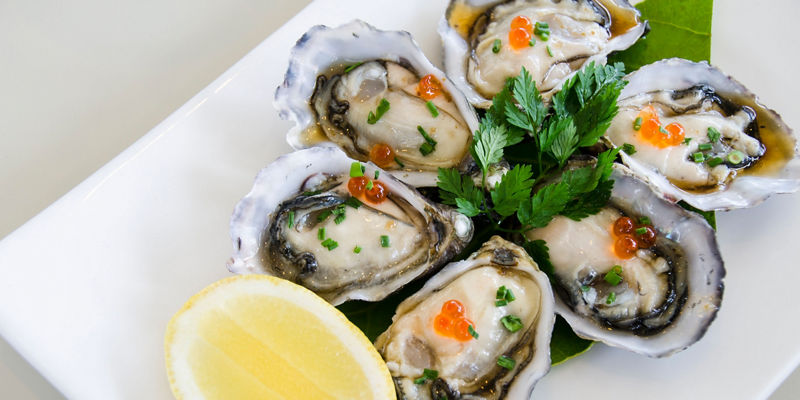
- Fine wine and delicious Pacific oysters in Tasmania
- The Bay of Plenty and Rotorua, the Māori’s ancestral lands
- Beautiful beaches of the Whitsunday Islands
Destination Insight Videos

Explore New Zealand's Bay of Plenty with local guide Graeme Crossman (52:50)
Gain an insider’s perspective on daily life in New Zealand’s Bay of Plenty in this episode of our At Home series. Follow along as our knowledgeable guide, Graeme Crossman, explores the port of Rotorua. He then shows us the stunning natural beauty of Matakana Island and offers insights into indigenous Māori culture. Enjoy hearing the highlights of this spectacular region that awaits your discovery on our 15-day Australia & New Zealand voyage.

At home in Sydney’s Hunter Valley with winemaker Savannah Peterson (12:47)
Join third-generation winemaker Savannah Peterson and discover the picturesque Hunter Valley—Australia’s oldest wine-growing region. Enjoy a guided tour of her family’s celebrated wine estate, Peterson House, where she and her father, Colin, infuse their passion into every drop. Gain insights into the estate’s history, marvel at the nearby bucolic countryside and learn about some of the winemakers’ favorite wines, which you can sample on our Australia & New Zealand voyage.

Uncover the renowned Sydney neighborhood of The Rocks (22:44)
Journey through the vibrant heart of Sydney and delve into the captivating history and rich culture of the neighborhood known as The Rocks. Your At Home episode hosts—Nathalie Fagan, Viking’s Commercial Manager, and Gregg Peek of Dave’s Travel Group—will guide you through bustling open-air markets brimming with delectable street food and reveal hidden laneways steeped in centuries of heritage. Admire picturesque views of the iconic Sydney Harbour Bridge as you enjoy learning more about this historic district you can visit on an ocean voyage with us.

At home in Melbourne with local guides Joanne Cullen & Martina Jenkins (16:52)
Explore the delectable culinary delights of Melbourne—the capital of the state of Victoria—with our knowledgeable guides, Joanne Cullen and Martina Jenkins. This episode of our At Home series highlights the unique mix of Indigenous and European influences that have shaped Melbourne’s innovative food culture. Discover premium Koko Black chocolate and learn about the flavors of pan-Asian cuisine. Then, witness architectural wonders at Melbourne’s Federation Square.
Australia & New Zealand Travel FAQ
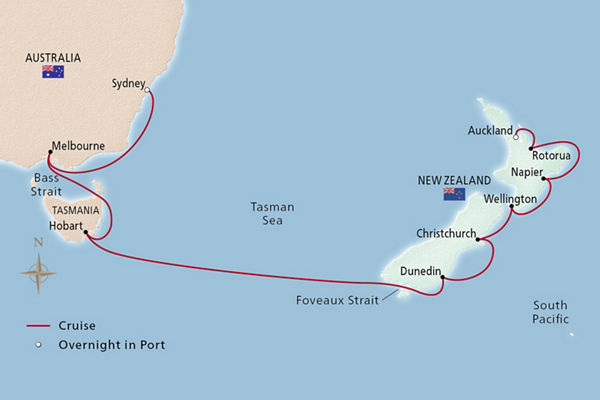
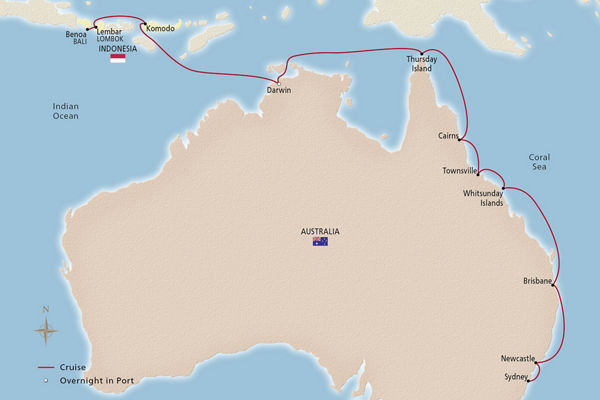
Enriching Itineraries—Australia & New Zealand
Choose one of our immersive voyages and discover the many benefits of exploring in Viking comfort.
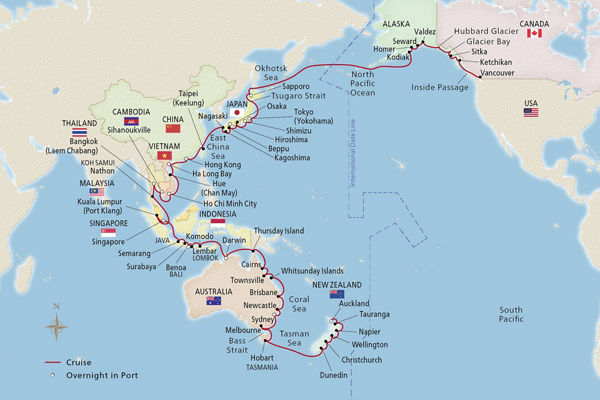
Grand Pacific Explorer